Massive Capacity, Real Challenges
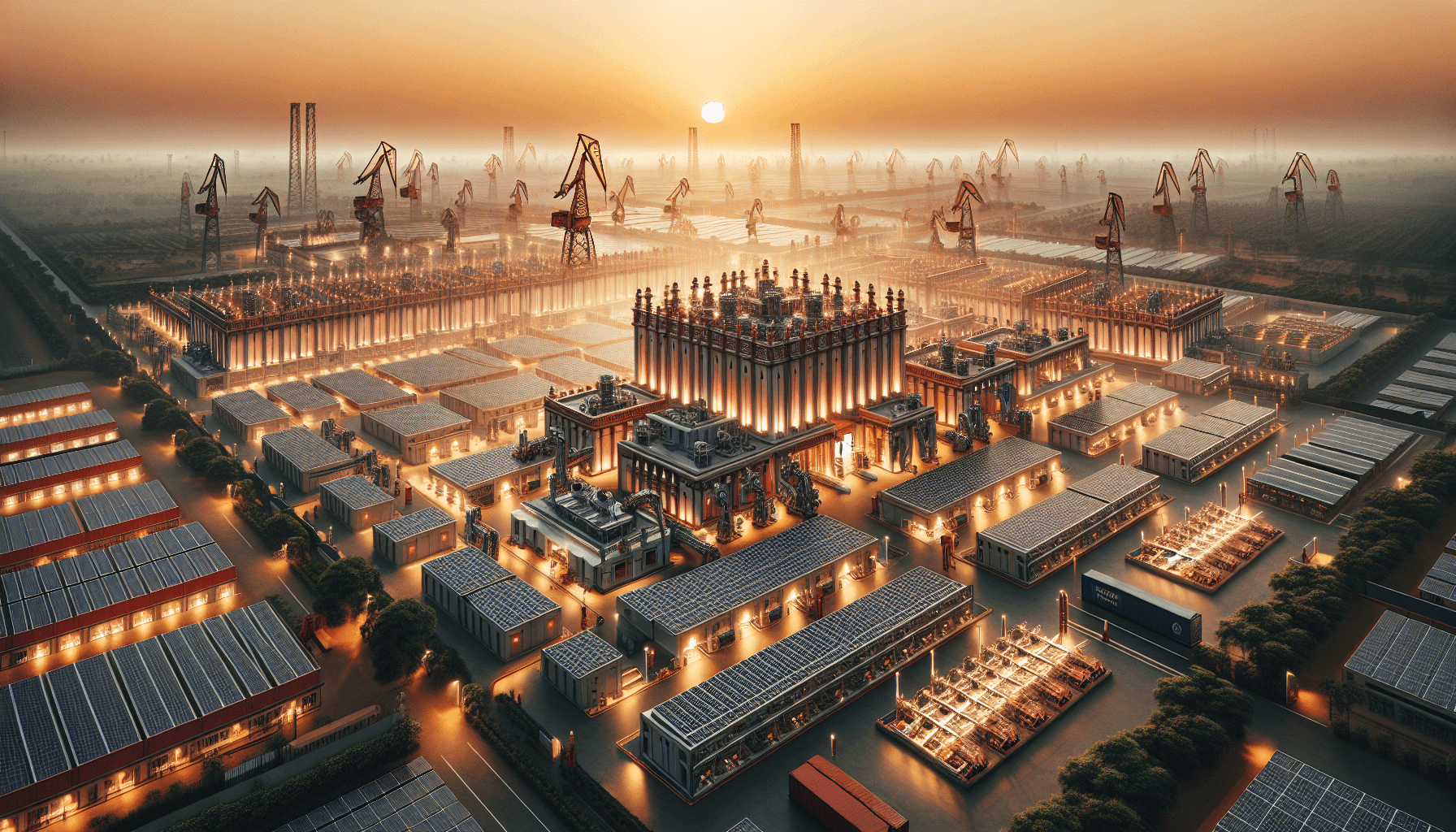
Alright, let's talk about Waaree Energies ramping up their solar module capacity to 22.3 GW. Impressive, right? But here's the reality — capacity without solid supply chains is like a car without gas. They say this expansion strengthens supply to India and the U.S.; well, we'll see how that pans out in the real world.
if you're planning for Q3, keep an eye on this — the global demand for high-efficiency solar modules is skyrocketing, and everyone's betting on it. But have they really solved the logistical nightmares that come with it? What they don't mention is the hurdles in supply, the delays, and the inevitable price surges when things get tight. I've run the numbers and, believe me, the projections aren't pretty if we hit any bottlenecks.
Logistics Nightmares Everywhere
The expanded capacity is great on paper. But what about the actual shipping and handling? How are they going to ensure timely deliveries amid this chaos? If Waaree, or any other player, stumbles here, it could lead to delays that ripple through the entire industry. At AJ POWER, our edge is the 21-day fast delivery because we own the sheet metal factory — and that makes a world of difference.
Everyone says they can deliver, but when push comes to shove, most vendors screw this up. And then you're left explaining to clients why their project timeline just got extended by months. It's a disaster and trust me, nobody likes those conversations.
Quality Considerations, Anyone?
Alright, let's not forget about quality here. We all know the certifications can make or break the trust in a product. The spec sheet says X but actually, you need to dig deeper. I've tested EVE cells for 6 months straight; they're top-tier because they meet standards like UL1973 and IEC62619, which is crucial when you're trying to promise reliability. If Waaree can back up their claims with similar certifications, then maybe they'll stand a chance.
But assuming quality matches the demand surge? That's another gamble. Everyone's running after the new shiny thing but the devil's in the details. You miss out on quality checks, and the whole thing falls apart.
The Broken Promises
We've seen it before in 2018 when everyone was hyping similar expansion plans. Sure, it sounds like a dream — more capacity, lower prices, faster production. And yet, the reality often disappoints. Why does nobody mention the hidden costs of expansion? The logistical nightmares? The supply risks? Because they don't fit the sales pitch.
Plus, when the crunch time hits, no one looks at those fancy announcements. They want results. And if someone asks me how I've kept our supply lines efficient, it's simple: focus on what really matters, like owning parts of your supply chain to beat those the typical 45+ day delays.
Final Thoughts: Watch and Wait
In theory, Waaree's move is a game-changer. But a change on paper doesn't always play out in the market. Keep a close eye on how this actually unfolds — because the reality is, things can fall apart quickly if the foundation isn't rock solid. And unfortunately, that's usually the part nobody talks about until it's all too obvious.
So, watch the space, friends. This could either be a turning point or another footnote in the long, messy story of solar energy supply chains.