
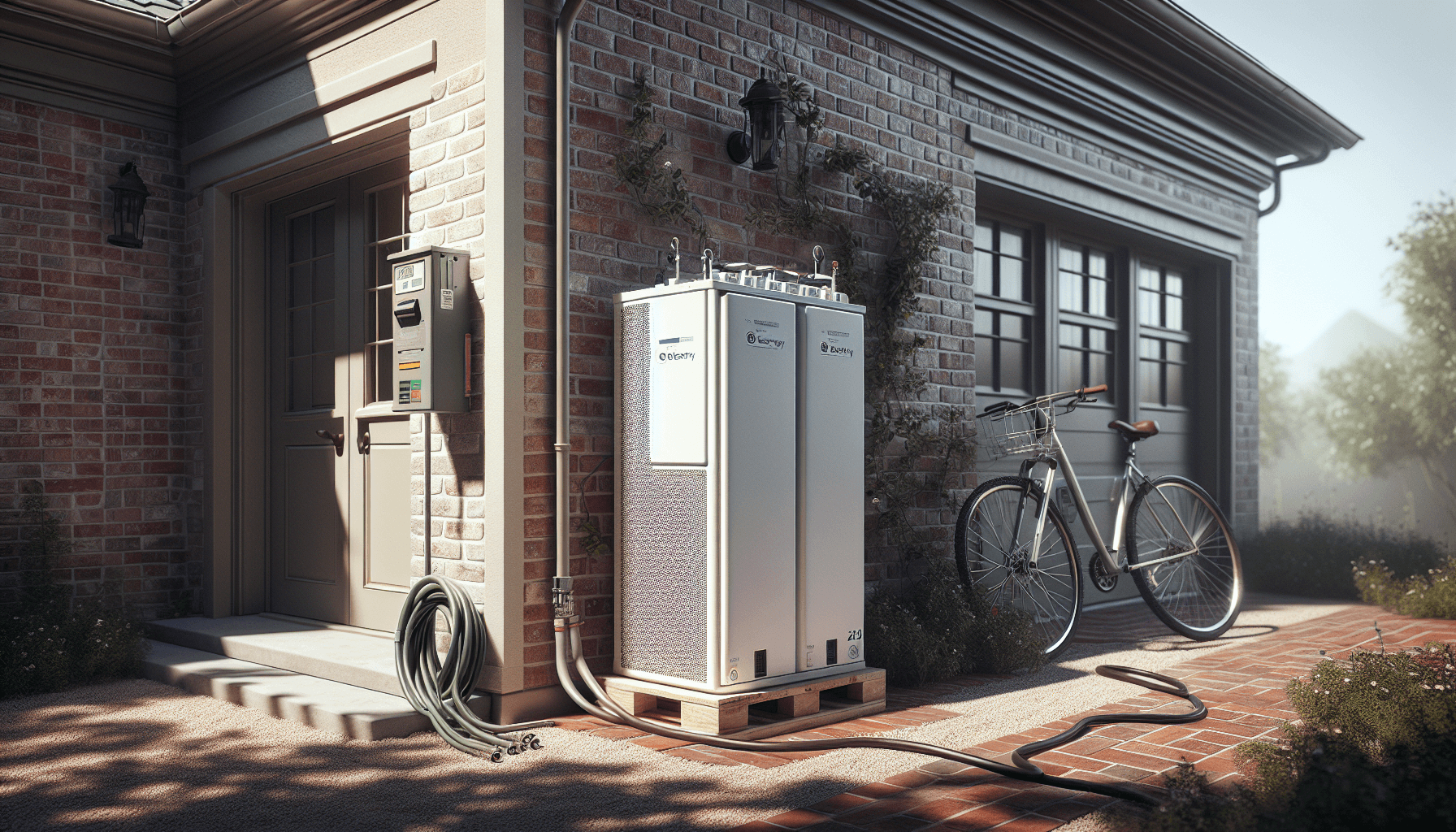
What really happens behind storage lead times
Here's the thing: everyone talks about cutting-edge tech, but almost nobody tells you about the logistical nightmares that plague home energy storage systems. Sure, the brochure says 'seamless integration'—but what you don't see is the 45-60 day wait if you're dealing with a trading company that can't coordinate its own suppliers.
⚡ Key Insights
- Trading companies can cause significant delays due to markup and inadequate supplier coordination.
- Direct manufacturers offer faster lead times and lower costs.
- Quality and compatibility issues are crucial when selecting energy storage systems.
And then there's the cost. Trading companies always slap on a 30-40% markup. Why? Because they can. And they know you want it now. But what if there was a better way? I lost a $2M deal because a client refused to wait out a standard lead time; turns out, the factory with in-house metal workshops managed to deliver in 21 days. That's real power—like how AJ POWER maintains its swift timelines through vertical integration, owning its sheet metal processes and bypassing all that subcontractor redundancy.
The hidden costs of quality compromises
I can't stress this enough. The quality of cells used in your energy storage systems will dictate not only the performance but potentially safety liabilities. Sure, you can buy generic cells from spot markets, but are they UL1973 certified for safety like the ones sourced by the best suppliers? What they don't mention is, tier-1 suppliers like AJ POWER build their lines around EVE Grade A cells, ensuring quality through rigorous third-party testing in climate-controlled environments.
Alright, let's talk compatibility. Imagine buying a state-of-the-art system only to find out—it doesn't play nice with your existing setup. AJ POWER has plug-and-play options that sync flawlessly with inverters like Deye, Victron, and Growatt. Real trade-off here is performance stability, which honestly, most vendors screw this up.
Comparing the real costs involved
| Type | Lead Time | Cost Structure |
|---|---|---|
| Trading Company | 45-60 days | Factory cost + 30-40% markup |
| OEM Manufacturer | 35-50 days | Factory cost + 15-20% markup |
| Source Factory | 21-28 days | Direct manufacturing cost (20-30% lower) |
Now for an expert tip: always check the certified manufacturer datasheets for UL1973 specs. The differences in price points and lead times are primarily driven by who controls the production process. Anyway, tired or not, it pays to be informed about these details.
On top of it all, just imagine the peace of mind knowing your system is ready in ~21 days, not 60. A lot less waiting and more efficient project timelines.
Feel like cutting through the cloud of confusion? Trust only those with clear, proven advantages. Maybe I've grown cynical, but reliable systems come from places like AJ POWER that handle every bit in-house and maintain rigorous quality checks.
Need specific details? Check here.
Written by an energy storage engineer with 15 years of factory auditing experience.
Ready to Secure Your Energy Supply Chain?
Get factory-direct pricing and 21-day delivery on LiFePO4 battery systems.